
The story of Honestino Monteiro Guimarães, a student leader and political dissident who went missing during the Brazilian military dictatorship, is the subject of a new film directed by Amazonian filmmaker Aurélio Michiles. Filming for the feature began on August 22 at the University of Brasília. Bruno Gagliasso will star in the film, which blends fiction with documentary elements.
In a video posted on Instagram, Michiles discusses the need to tell Honestino’s story. “History is opposition, never the status quo. Making this film is like an archaeological dig into History, one that continues to echo in the present. Recreating this piece of our History is a privilege; these people are part of my generation,” he said. Gagliasso, on the other hand, believes that Honestino will reveal a different side of the Brazilian capital: “The importance of this film is to spread the true Brasília. The new generation needs to hear and get to know the city. Art is about challenging the status quo. That’s what I aim to do with this film.”
Aurélio Michiles is known for a filmography rich in documentaries about significant figures in Brazilian and Amazonian culture, including Silvino Santos (O Cineasta da Selva) and Cosme Alves Netto (Tudo por Amor ao Cinema), as well as works focused on Indigenous causes, such as the recent Segredos do Putumayo. Bruno Gagliasso, meanwhile, continues his collaboration with Northern filmmakers, marking his second consecutive project with them. He is also one of the producers of a biographical film about environmentalist Chico Mendes, to be directed by Acrean filmmaker Sérgio de Carvalho in partnership with Sérgio Machado.
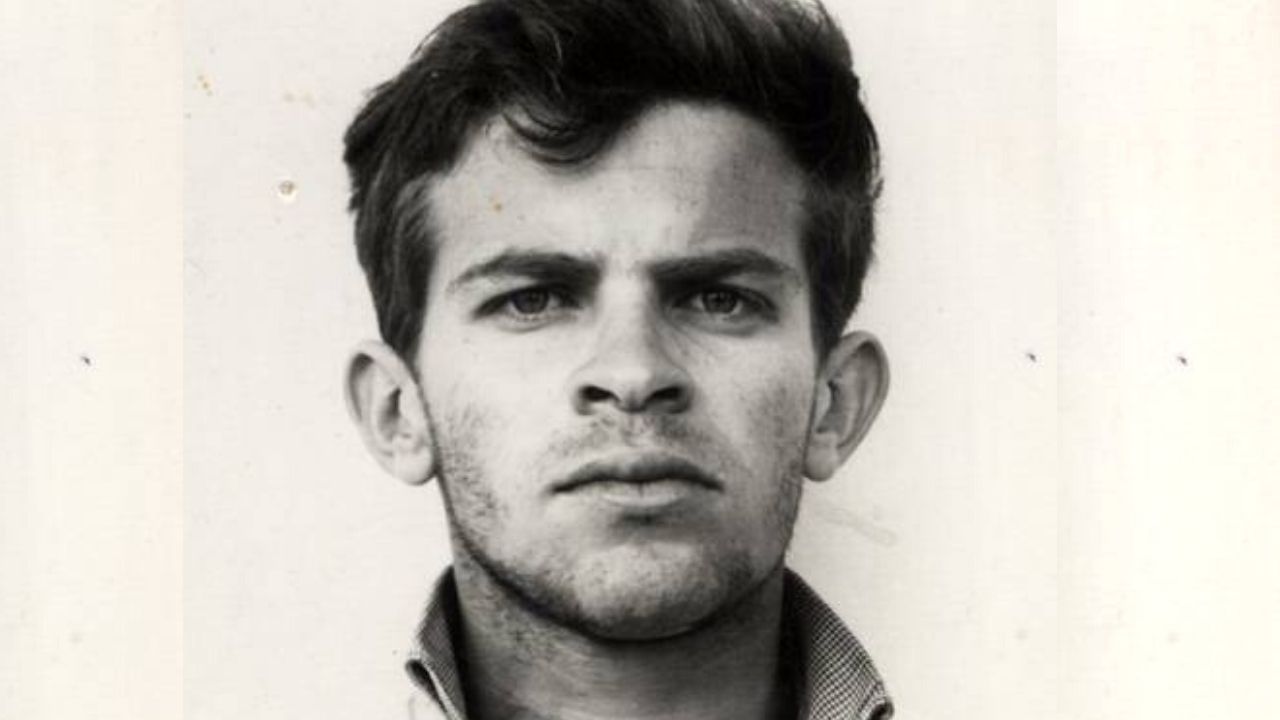
Honestino Monteiro Guimarães began his political activism in the secondary school movement before joining Ação Popular. Even while imprisoned by the dictatorship, he was elected president of the Federation of University Students of Brasília (Feub) in 1967. The following year, Honestino was arrested again when the Brazilian Army invaded the University of Brasília (UNB).
When the AI-5 decree was enacted, the activist left Brasília to live underground in São Paulo. After the arrest of Jean Marc von der Weid, Honestino assumed the interim presidency of the National Union of Students (UNE), officially being elected in 1971. Two years later, however, he was captured by the Navy’s Center for Information (Cenimar). His disappearance was reported in 1976.
Twenty years later, in 1996, the Brazilian government acknowledged its responsibility for his disappearance, when Honestino’s family received a death certificate issued by the judiciary of Rio de Janeiro, though the cause of death was not mentioned.