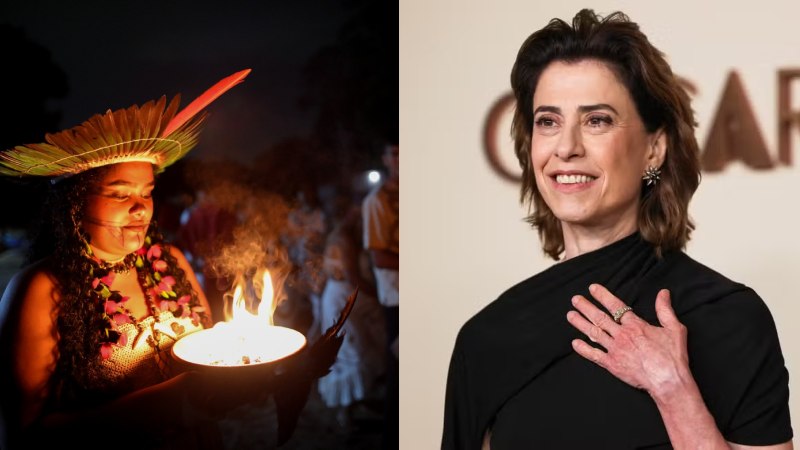
The 2025 Oscar ceremony is highly anticipated, especially due to the Brazilian film “‘I´m Still Here,” directed by Walter Salles, which is competing in several categories. The Brazilian public, in particular, is rooting for the film and actress Fernanda Torres to win Brazil’s first Oscar. To support this, indigenous people from Manaus held a ritual on February 28, organized by Thaís Kokama, to send good energy to the film and the actress.
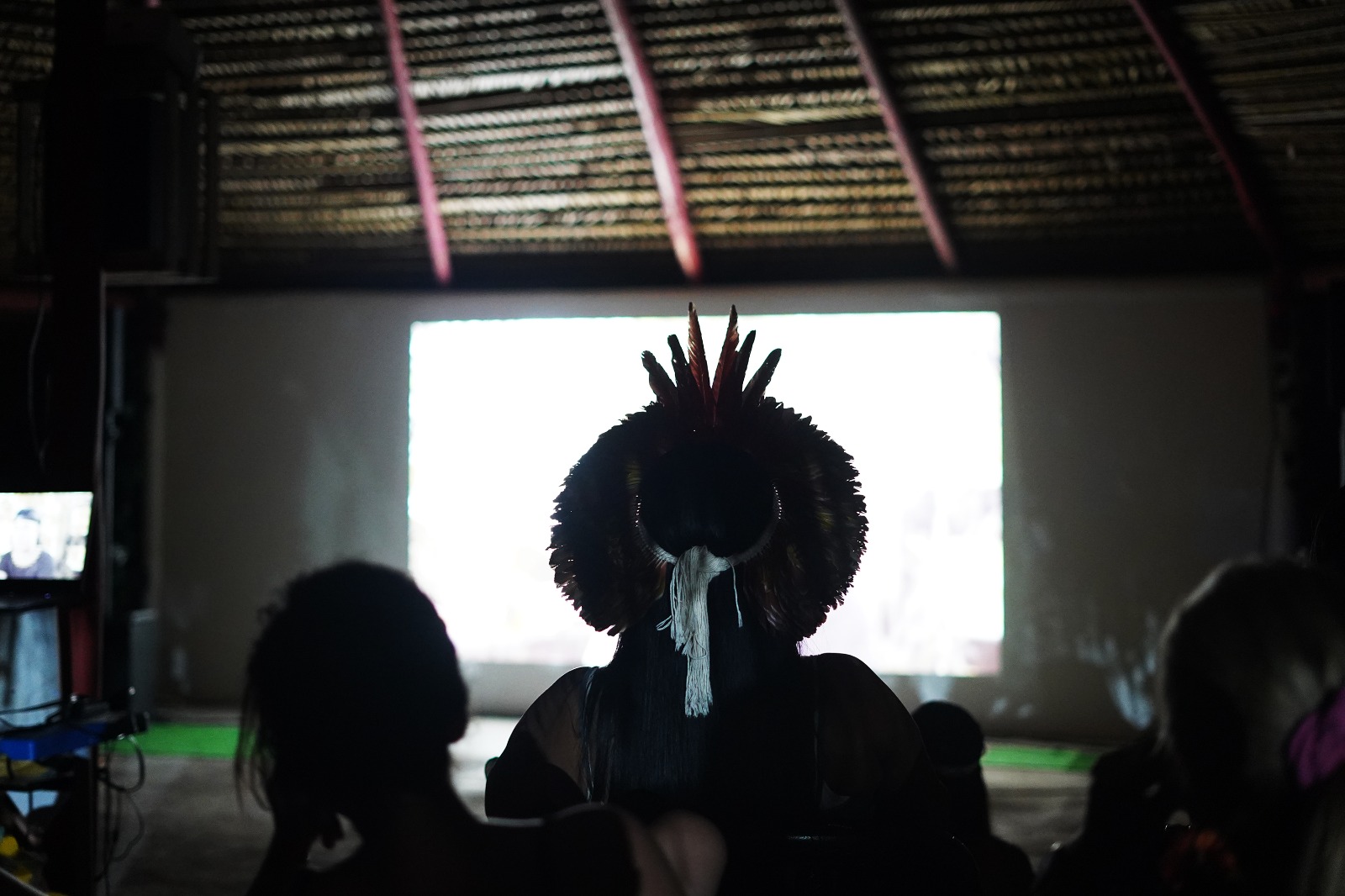
The ritual and the screening of the film take place at “Cine Aldeia,” the first cinema in indigenous territory in Brazil, inaugurated in January 2025. Filmmaker Thaís Kokama believes in the importance of promoting the film, which depicts a family’s struggle for justice during the military dictatorship. The event will feature screenings of regional films and the “Ritual of Victory,” led by the shaman A-yá Kukamíria, as well as live coverage of the 2025 Oscars.

“The film serves as a powerful ‘living’ testimony of a family that fought for justice and dignity during the military dictatorship, reflecting this resistance and freedom of expression through Eunice Paiva, who dedicated the last years of her life to fighting for indigenous peoples. This is an important factor for all of us, indigenous people, to be rooting for the film and Brazilian cinema. The Oscar is already ours,” she emphasized.
There will be screenings of films produced in the region, from 4:00 PM to 6:00 PM. Following that, the “Ritual of Victory” will take place, led by the shaman A-yá Kukamíria, with incense, dances, and songs to celebrate good vibes for the film competing for the Oscar. After the ritual, the cinema will continue with screenings of local films.

On Sunday, March 2, the program will include the screening of the classic “Central Station,” which also competed for an Oscar, followed by live coverage of the 2025 Oscars. These events will be exclusive to indigenous people and invited guests from the producer.
“Cine Aldeia” was conceived by Thaís Kokama and started in 2019, offering cinematic activities for the indigenous community. Officially inaugurated in February, the space was adapted with resources from the Paulo Gustavo Law and aims to encourage audiovisual production in the region, benefiting local and indigenous communities. The cinema, built in the shape of an “oca” (traditional indigenous house) and made with recyclable materials, is ecologically sustainable and powered by solar energy.