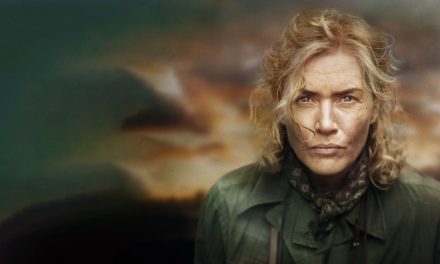
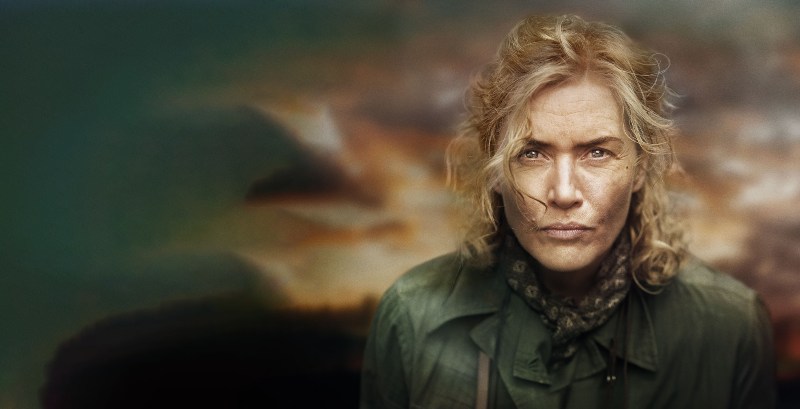
At the 2009 Golden Globes, presenter Ricky Gervais took the stage shortly after Kate Winslet’s win for Best Supporting Actress for The Reader. It was her first victory at the event after years of unsuccessful attempts. The comedian looked at her and said, “I told you – make a Holocaust film and the award will come.” Alongside Leonardo DiCaprio, the actress only laughed awkwardly, somewhat agreeing with the remark. Gervais wasn’t wrong, as she went on to win the Oscar weeks later.
After not receiving an Academy Award nomination since 2016, Kate Winslet seems to have recalled this story and decided to take on Lee, a biographical film crafted for the awards season. In this film, she portrays Elizabeth ‘Lee’ Miller, a model-turned-Vogue photographer during World War II who became one of the first to reach the concentration camps, where she captured some of the greatest tragedies in history.
Before falling into the tedious routine of biographical films and typical awards-season war movies, Lee has an interesting element in its first 30 minutes: the way the protagonist, her friends, and the European society closest to the West didn’t believe in the looming danger posed by Adolf Hitler’s rise. Watching a newsreel from the time, a group of modern men and women of the era were surprised by how all those Germans were so easily seduced by Hitler, but it all seemed distant and safe enough for them to carry on with their lives.
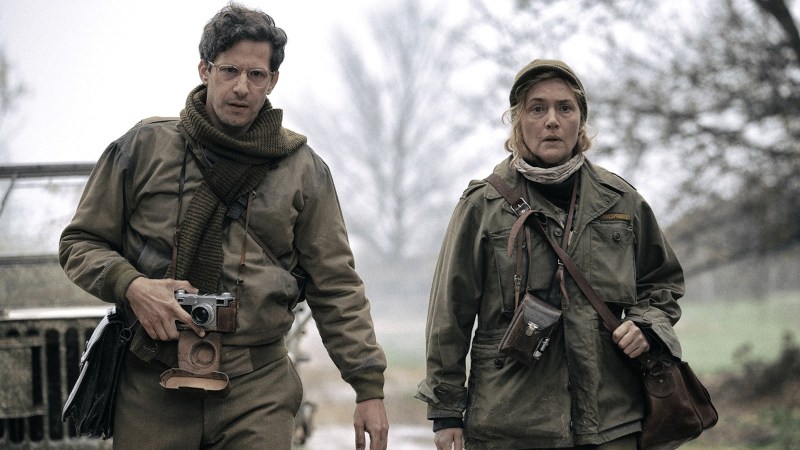
Even during the conflict, this inability to understand the scale of the tragedy remains with the protagonist. Lee’s reunion with her friend Solange D’Ayen (Marion Cotillard) upon returning to Paris after the Nazis’ retreat makes her realize the trauma left by the siege, even though nothing explicit or detailed is said—just the look of fear and horror from the French actress, unfortunately underutilized. This happens again as she comes to understand what happened to the thousands of missing people, specifically the Holocaust victims in the concentration camps.
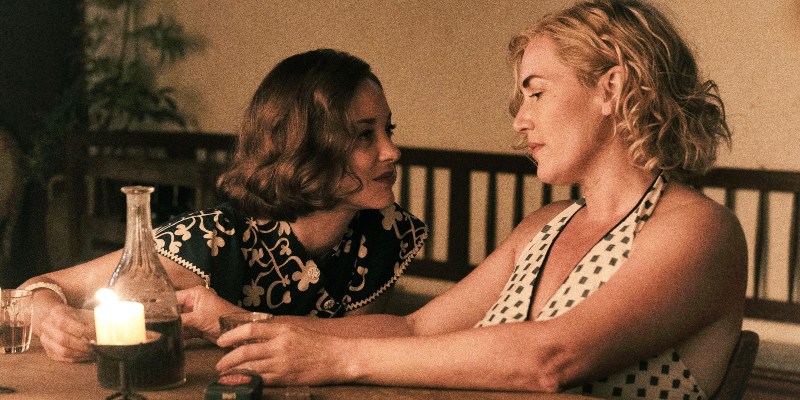
The script by Liz Hannah and John Collee also touches on feminist themes, exploring how Miller was ahead of her time in a world that restricted women’s autonomy. From the freedom to take off her shirt in front of friends at a tea party, to pursuing the man she desires, and the restlessness of breaking barriers set against women—even in a war scenario—she becomes an interesting figure to follow due to her constant assertiveness and determination. In the hands of an actress like Kate Winslet, this becomes a delight to watch, compensating for the final stretch marked by awkward attempts to introduce melodrama and a forced twist involving Josh O’Connor’s character.
Still, the lack of personality from the desire to strictly follow the Oscar manual is evident: the prevalence of a true story set during World War II about a not-so-well-known figure who, theoretically, should not be forgotten; Ellen Kuras’ generic direction, which fails to make even one moment memorable; a conventional script that tells important passages in a linear way without deeper exploration; and standard technical proficiency in art direction, costumes, and sound. Added to this is a cast of big names—like Alexander Skarsgård, Noémie Merlant, Andrea Riseborough, and Adam Sandberg—who are underused, alongside the already mentioned Marion and Josh. They all serve to boost Kate Winslet’s shine.
For the typical awards season standards, Lee does manage to have more merits than average. Unfortunately, the limitations imposed on certain productions to fit into what voters supposedly like to honor during the awards season prevent them from achieving greater and bolder heights. We’re left with the same old seen every year starting in the second half. Next year, there will be more films with Kate Winslet or any other Hollywood star desperate for an Oscar statue.